
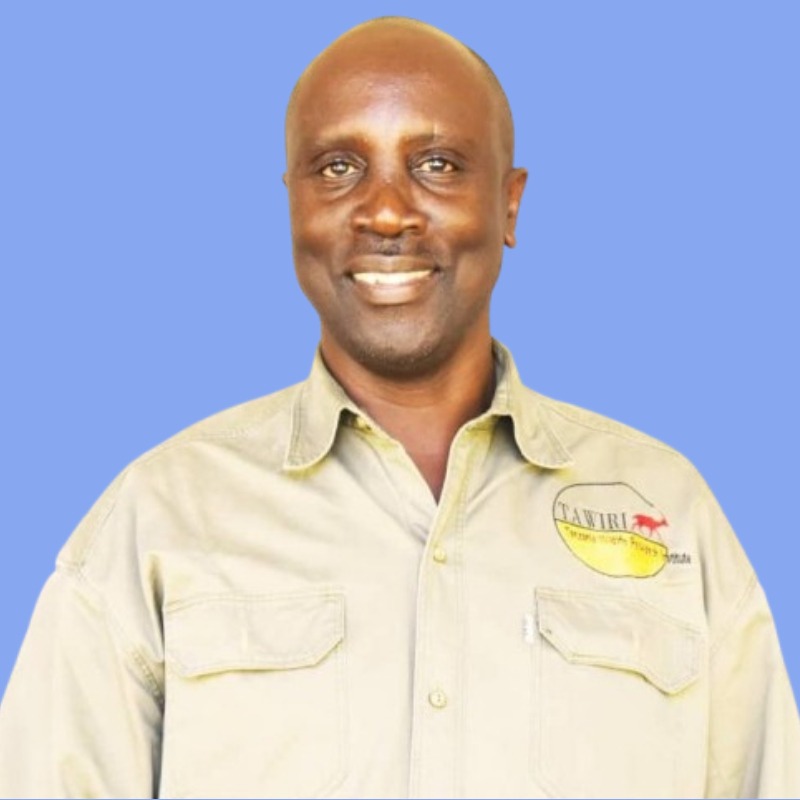
CENTRE DIRECTOR
Kingupira Wildlife Research Centre (KWRC) was established in 1969 with the name Miombo Research Centre (MRC) by the then Game Division under the Ministry of Natural Resources and Tourism. The aim was to investigate the Miombo habitat and its fauna. Dr. Alan William Rodgers was among the first researchers to the centre that spearheaded research activities in the fauna and flora of the Miombo. Following the Act of the Parliament of United Republic of Tanzania no. 4 of 1980, Miombo Research Centre became part of the Serengeti Wildlife Research Institute (SWRI), a national wildlife research institute that was later named Tanzania Wildlife Research Institute (TAWIRI) by the Parliament Act no. 10 of 1999.
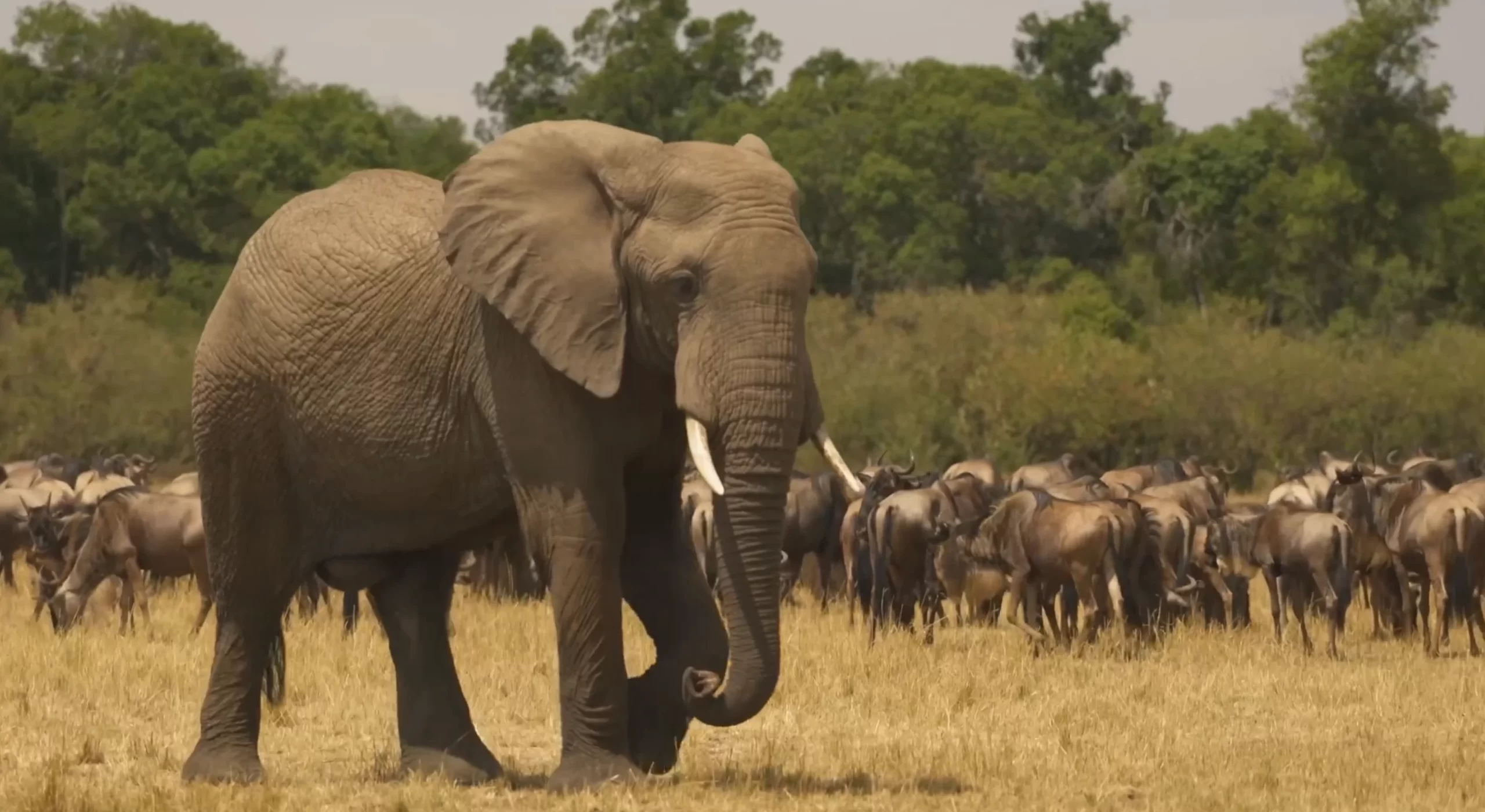
KWRC is located in Selous Game Reserve (SGR), about 300kilometers drive and 40minutes flight from Dar es Salaam city. SGR is part of the large Nyerere-Selous (formerly Selous – Mikumi) Ecosystem complex that is internationally recognised among world heritage sites (Nyerere National Park and SGR) and biodiversity hotspots (Udzungwa and Malundwe Mountain Blocks part of Eastern Arc Mountains). KWRC is positioned at 8°28’24.7″S and 38°32’39.4″E with an altitude of 135m above sea level. The Centre oversees the long-term Animal Behaviour Research Unit (ABRU) at Mikumi National Park, that has studied Yellow Baboons, Elephants and Vegetation in the Park.
P.O. Box 1053, 16 Utete-Rufiji Tanzania.
Tel: +255 734 094646 ,
E-mail: kwrc@tawiri.or.tz
1. Wildlife Research: Conducts scientific studies on wildlife populations, ecosystems, and biodiversity in the Selous Game Reserve and Nyerere-Selous Ecosystem at large. Collects, analyzes, and interprets data on animal behavior, species distribution, population dynamics, and ecological interactions of elephants and primates.
2. Supporting National Wildlife Policy and Management: Provides scientific information that informs national wildlife management planning and policy decisions, helping authorities manage resources sustainably. This includes research used in anti-poaching strategies, habitat management, and conservation interventions.
3. Documentation and Dissemination of Research Findings: Prepares and distributes research reports, scientific papers, and technical literature to wildlife authorities, academic institutions, conservation partners, and the general public.
4. Coordination with Other Researchers and Institutions: Works collaboratively with universities, NGOs, government departments, and international research partners to coordinate research activities and share expertise.
5. Training and Capacity Building: Supports the training of Tanzanian wildlife scientists, field researchers, students, and conservation practitioners through hands-on fieldwork, internships, and collaborative research projects.
6. Wildlife Monitoring and Conservation Support: Monitors trends in wildlife populations and ecological processes to detect changes in animal abundance, behavior, or threats like disease and human-wildlife conflict.
7. Advisory Services: Provides technical advice to the government, wildlife management authorities, and conservation organizations, helping translate research into practical conservation action.
1. Research and Office Buildings: A block of individual offices and study spaces for scientists and field researchers. These facilities support administrative functions, data analysis, report writing, and research coordination activities.
2. Library: A designated library space containing reference materials and archival resources. The facility is currently under-resourced and houses older collections.
3. Map Room: A room for the storage, preservation, and analysis of aerial photographs, topographic maps, and spatial data.
4. Electricity Supply: Reliable electricity connected to the national grid, ensuring consistent power for office operations, data processing, lighting, and essential research equipment.
5.Water Supply: Running water infrastructure supported by a borehole system, providing a dependable on-site water source.
6. Rest House: A modest on-site rest house comprising eight bedrooms, primarily used to accommodate visiting researchers, collaborators, and field staff.







P.o Box 661 Arusha. 206 Njiro Road, 2113 Lemara, Arusha, Tanzania
+255 734 094646
barua@tawiri.or.tz | dg@tawiri.or.tz


 Users Last 7 days : 419
 Users This Month : 286
 Total Users : 68945