The Range and Interaction of the Connochaetes taurinus in the increasing human pressure in Tanzania
Project participants: Emmanuel Hosiana Masenga, Benjamin Chow-Battersby, Eblate Ernest Mjingo and Edward Kohi

DIRECTOR GENERAL
DIRECTOR GENERAL
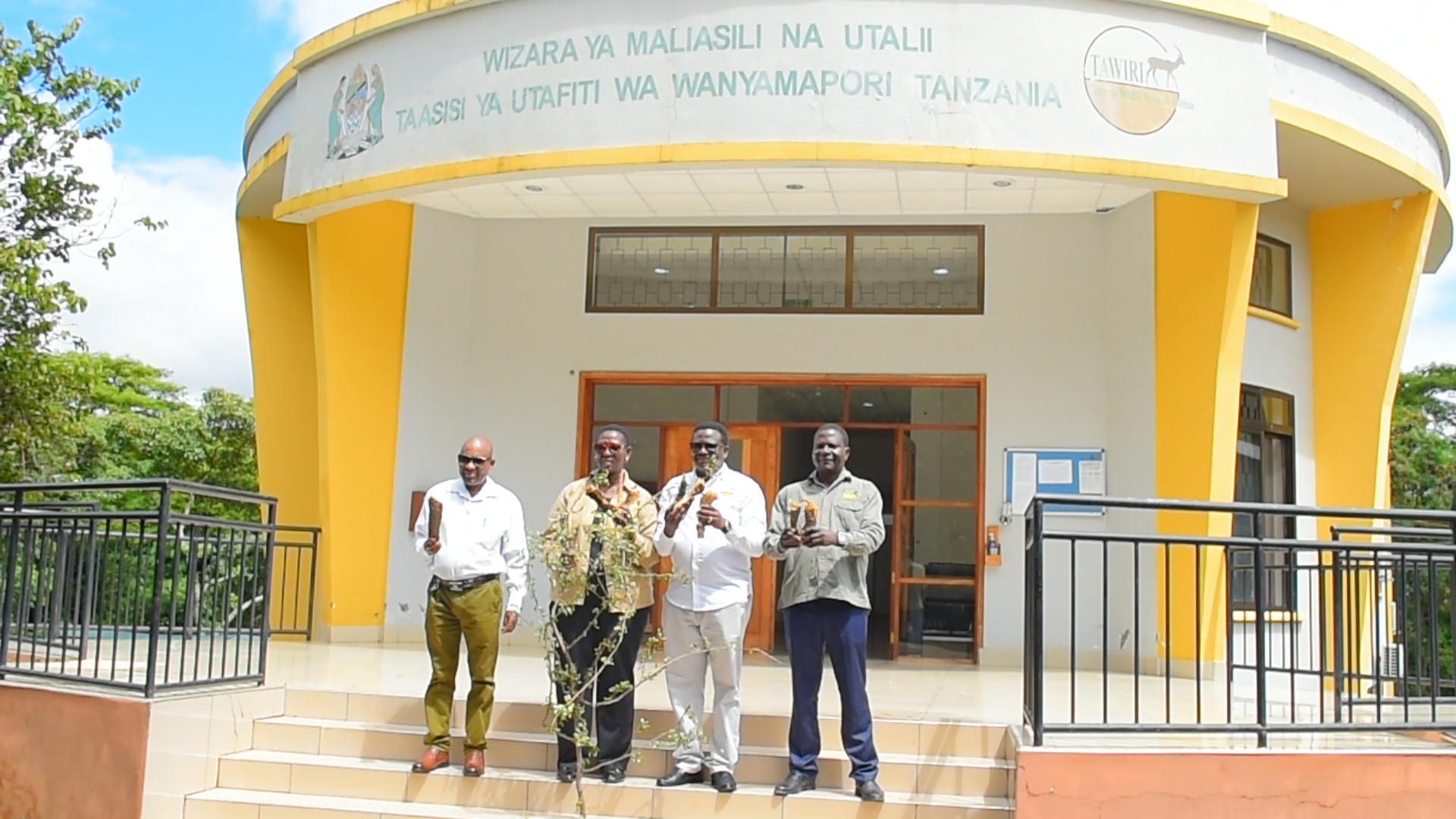
The history of the Tanzania Wildlife Research Institute (TAWIRI) dates back to 1963, when it was first established as the “Serengeti Wildlife Research Institute” (SWRI) with the role of providing scientific information related to wildlife management for the Serengeti National Park. Later, the Institute was established by Act of Parliament of the United Republic of Tanzania No. 4 of 1980, with the mandate to conduct, coordinate, and oversee wildlife research in the United Republic of Tanzania. The name SWRI was changed to TAWIRI in 1999 by the Act of Parliament No. 10 (CAP 260 RE 2002) to give it a broader meaning and mandate on wildlife research throughout the country. The overall purpose of TAWIRI is to collate and disseminate timely and quality scientific information to guide the management and utilization of wildlife resources in the country. Therefore, the Institute has the mandatory role of advising the government, management authorities, and the general public on the best ways of conserving the wildlife resources based on research findings. Through research, the Institute also has the mandate to promote and facilitate training of Tanzanians in wildlife science. In accordance with its mandate, the core functions of TAWIRI include coordination and management of all wildlife research in the country.
The headquarters of the Institute is located at Njiro, Arusha, and comprises five research centers in various locations, namely, (i) (i) Western Wildlife Research Centre (WWRC) in Kigoma Region, (ii) Kingupira Wildlife Research Centre (KWRC) in Selous Game Reserve, (iii) Njiro Wildlife Research Centre (NWRC) in Njiro, in the city of Arusha, (iv) Serengeti Wildlife Research Centre (SWRC) in Serengeti National Park, and (v) Southern Highlands Wildlife Research Centre (SHWRC) in Iringa Municipality. In addition to these centers, the Institute has five research stations, namely, Endala (Manyara National Park), Lower Kihansi (Kilombero District), Magugu (Babati District), West Kilimanjaro (Hai District), and Tabora (Tabora Municipality).
As Tanzania’s lead wildlife research institution, TAWIRI coordinates nationwide studies across five specialized centers to guide conservation policy. Through our biennial scientific conference and peer-reviewed journals, we provide the essential data and knowledge-sharing platforms required to protect and sustain Tanzania’s rich biodiversity.
The Directorate coordinates and promotes high-quality wildlife research to inform the sustainable management of Tanzania’s natural heritage by fostering collaboration between local….
Explore a library of scientific journals and census reports that shape Tanzania’s wildlife future, bridging field data with policy-making for sustainable management of natural heritage.
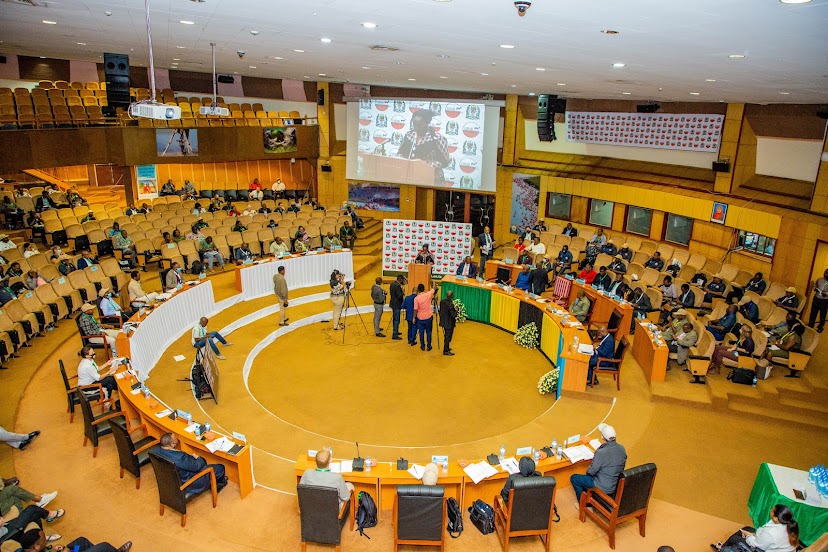
Is a premier biennial event that serves as a global platform for sharing cutting-edge wildlife research, fostering collaboration, and informing conservation policy in Tanzania and beyond.
Project participants: Emmanuel Hosiana Masenga, Benjamin Chow-Battersby, Eblate Ernest Mjingo and Edward Kohi
Project participants: Jerome Gadi Kimaro, John Bukombe, Isack Legonda, Hillary Mushi, Godfrey Mwenama, and Victoria Shayo
Project: Participants: Julius Keyyu, Bukombe John, Joseph Otieno, Seonghyun CHO, Kyoungsu CHOI
P.o Box 661 Arusha. 206 Njiro Road, 2113 Lemara, Arusha, Tanzania
+255 734 094646
barua@tawiri.or.tz | dg@tawiri.or.tz


Users Last 7 days : 500
Users This Month : 1570
Total Users : 65608